
Summer is Approaching: What Travelers Should Know About Mosquito-Borne Diseases
With the summer on the horizon and temperatures on the rise, mosquitoes become more active - bringing with them an increased risk of mosquito-borne diseases, especially in tropical and subtropical regions. For travelers, this isn’t only a health concern; it can quickly become a trip-disrupting and expensive problem if you need urgent medical treatment abroad, tests, hospital admission, or even medical evacuation.
To help travellers, expats, and families stay prepared during peak mosquito season, the team at i‑Brokers has compiled an overview of common mosquito-borne diseases, their symptoms, and practical prevention tips. We’ll also share travel insurance considerations that can make a real difference if you fall ill abroad - including what to check before you go and what to do if you need to make a claim.
Before You Travel: A Quick Travel Insurance Checklist for Mosquito-Risk Destinations

Check your emergency medical coverage limit and whether it includes both outpatient and inpatient treatment.
Confirm emergency medical evacuation and repatriation are included (especially if you’re visiting remote islands or rural areas).
Look for access to a 24/7 assistance hotline and understand when you must contact them (e.g., before hospital admission or costly treatment).
Check if your plan can help with hospital admission deposits/guarantees (this varies by insurer and plan).
If you’re travelling while pregnant or planning pregnancy, review any relevant pregnancy-related terms carefully (particularly for destinations with Zika risk).
If you’re an expat or travelling long-term, consider whether international health insurance is more suitable than short-term travel cover.
What are Mosquito-Borne Diseases
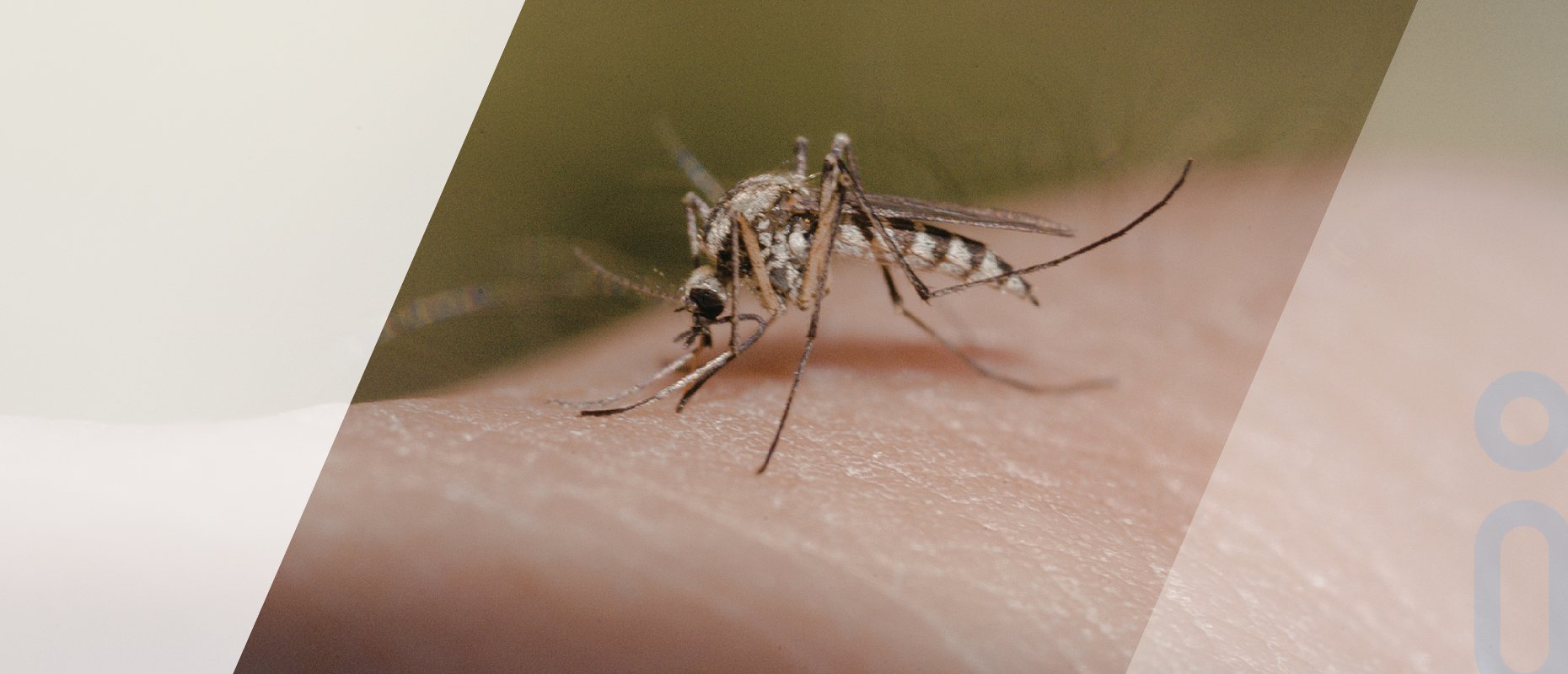
Mosquito-borne diseases happen when mosquitoes carry bacteria, viruses, or parasites from a previous bite and infect the next person they bite. Even if the mosquito isn’t affected, the pathogen it carries can seriously infect humans - and for travelers, that can mean anything from a few days of recovery to cancelled plans, unexpected clinic visits, and (in more severe cases) hospital treatment abroad.
For instance, approximately 390 million people suffer from dengue fever each year while at least hundreds of thousands more suffer from yellow fever and zika virus. That’s why prevention matters - and why it’s equally important to know how you’ll access care and pay for it if you become sick away from home.
Common Mosquito-Borne Diseases

Some common mosquito-borne diseases include the zika virus, yellow fever, and dengue fever. Exact symptoms may vary but common symptoms may include fever, accompanied by general malaise and fatigue, along with headaches.
These diseases are caused by viruses transmitted from Aedes aegypti mosquitoes, which bite during the day (typically just after sunrise and around sunset) and are found in or around homes and breed in small water containers.
There are no specific treatment methods for many mosquito-borne viral illnesses, so it’s crucial to seek medical attention, get plenty of rest, and take all medications as prescribed. In the following sections, we’ll cover each disease and its symptoms - so you know what to look out for and when to seek urgent care.
If you feel unwell while travelling, don’t wait for symptoms to become severe. If you have travel insurance, contact your insurer’s assistance team as early as possible - they can help direct you to appropriate clinics/hospitals, explain what’s covered, and advise if pre-authorisation is required for admission or expensive tests. If you pay out of pocket, keep all receipts, medical reports, and prescriptions for your claim.
Dengue Fever
Dengue fever, according to the World Health Organization (WHO), is one of the top 10 global health threats as well as the quickest spreading as there has been a 30-fold increase in worldwide cases in the past five decades.
Symptoms, which usually lasts 2 days to a full week, include high fever, accompanied by malaise and fatigue, headaches, rashes, and vomiting. While there is no fixed treatment for dengue fever’s different symptoms, it’s important to monitor warning signs of more severe symptoms stemming from the disease.
Seek medical attention immediately if you notice any indications of shock or bleeding symptoms.
Yellow Fever
A viral disease that’s usually short in duration, yellow fever is especially common across Latin America and Africa. Additionally, according to the WHO and the Pan American Health Organization, yellow fever causes an alarming 200,000 infections and up to a staggering 30,000 deaths each year.
Symptoms, which typically improve within five days, include fever, headaches, vomiting, chills, back pain and fatigue, jaundice, and bleeding from the eyes, mouth, nose, or stomach.
Zika Virus
The Zika virus was first identified in Ugandan monkeys back in 1947 and then identified in humans in 1952, having been dormant in the decades since. In 2015, global outbreaks were recorded in Africa, the Americas, the Pacific, and Asia. A year later in February 2016, the WHO declared the Zika virus a Public Health Emergency of International Concern.
Symptoms include fever, rash, headaches, joint and muscle aches, and conjunctivitis (pink eye). In most cases, people with the zika virus don’t show symptoms. However, for those who show symptoms, they typically last for two to seven days.
It’s also worth noting that pregnant women who are infected by the zika virus may give birth to a baby with serious health concerns like microcephaly, which may cause life-long disabilities.
Prevention
Because there is no specific treatment for many mosquito-borne viral illnesses, prevention is key - especially when you’re travelling and don’t have full control over your surroundings. While reducing mosquito breeding sites (for example by removing stagnant water) can help, the most practical approach on a trip is to focus on personal protection and keeping mosquitoes out of your accommodation.
Start by wearing light, breathable clothing that covers as much skin as possible (such as long-sleeved shirts and full-length trousers). Apply insect repellent to exposed skin and clothing as directed. If you’re using sunscreen, apply sunscreen first, wait for it to dry, and then apply insect repellent.
For children - especially very young children - an adult should apply insect repellent to the child’s skin and clothing. Always follow the product’s age guidance and application instructions, and avoid applying repellent to a child’s hands, eyes, mouth, or irritated skin.
Finally, reduce bites where you sleep by keeping windows and doors closed (or using window and door screens) and staying in an air-conditioned room where possible (a fan can also help). If needed, use mosquito nets - especially for baby carriers and cots.
Travel Abroad with Peace of Mind: Travel Insurance

If you made it this far in the article, you most likely know how serious mosquito-borne illnesses like dengue fever or the zika virus can be - especially in areas where outbreaks are more common, such as parts of Asia, Africa, or South America. The practical question for many travellers is: if I get sick abroad, how will I access care quickly and avoid large, unexpected bills?
For travelers, a short-notice clinic visit, blood tests, or hospital admission can be more expensive than expected - and in some locations you may be asked to pay a deposit before treatment starts. Choosing travel insurance with the right medical limit and strong 24/7 assistance support can help you access care faster and reduce the financial stress if you become ill abroad.
Travel insurance is generally designed to cover unexpected medical treatment during your trip, which may include doctor visits, tests, medication, and hospital care (subject to your policy’s terms, limits, and exclusions). Many plans also include emergency medical evacuation and repatriation if you become seriously ill or injured and need to be moved to a better-equipped facility or back home for further treatment. Depending on the insurer and plan, assistance services may also help with arranging treatment and, in some cases, coordinating hospital payment guarantees.
Tip for smoother claims: if you need hospital admission or expensive treatment, call the 24/7 assistance hotline first (where possible) to ask about pre-authorisation. Keep copies of your passport photo page, boarding pass/itinerary, diagnosis notes, itemised invoices, and proof of payment. If your trip is cut short due to hospitalisation, ask your treating doctor for a note that confirms you are not fit to travel so you can support any related claim.
Beyond medical coverage, travel insurance may also help protect your trip costs - for example, if you need to interrupt your journey due to illness, or if you face covered disruptions like flight delays, trip cancellations, or luggage loss/damage (coverage varies by plan). Please note, if you intend to relocate and live overseas long-term (rather than travel temporarily), it is worth exploring international health insurance, which is designed for ongoing access to healthcare while you’re based abroad.
Keep in mind that every travel insurance plan has its own benefits, limits, and exclusions. If you’re unsure, review the policy wording before you travel and (if you need treatment abroad) contact the insurer’s assistance team as early as possible for guidance on covered providers, pre-authorisation, and required claim documents.
Conclusion
Mosquito-borne diseases like dengue fever, yellow fever, and the zika virus can be serious - but taking the right steps early can make a major difference. Protect yourself from bites, recognise symptoms, and seek medical attention promptly if you feel unwell. If you’re travelling with insurance, contact your travel insurance assistance team early so they can help you find appropriate care and guide you on documentation for any claim.
To reduce your risk, wear light, breathable clothing that covers exposed skin, use insect repellent correctly (and apply it after sunscreen), and keep mosquitoes out of your accommodation with screens, closed doors/windows, air-conditioning or a fan, and mosquito nets where needed.
If you’re planning a trip to a destination where mosquito-borne diseases are more common, i‑Brokers can help you compare travel insurance options and understand key benefits such as emergency medical limits, 24/7 assistance, and medical evacuation coverage. And if you’re relocating overseas long-term, it may be worth exploring international health insurance for ongoing access to healthcare while you’re based abroad.
By planning ahead - from bite prevention to choosing the right cover - you can travel with greater peace of mind throughout the summer and beyond.
Darren Wise
Client Relationships Manager
Darren is a Client Relationship Manager at i-Brokers, dedicated to supporting clients across Southeast Asia compare and select the right health and life insurance solutions. With more than a decade of industry experience, he supports his own clients and a team of insurance specialists, with a focus on personalised, trusted advice at every step. Outside of work, Darren enjoys winding down with a great TV show or movie, discovering new travel destinations, and (above all) cheering on his beloved football team, Coventry City.
Contact Darren:
Phone: +66 2566 0642
Email: darren.wise@i-brokers.comLinkedIn: https://www.linkedin.com/in/darren-wise/
Darren co-wrote this article with expert copywriting support and editing from Wish Sutthatothon, Marketing Executive at i-Brokers, who has extensive experience in the insurance industry, covering medical, life, and general insurance for both individuals and corporates.