
Telehealth vs Hospital Visits: When Remote Care Works (and When You Should Go in Person)
It’s 9 p.m., you’re feeling unwell, and the idea of sitting in a waiting room sounds exhausting. This is especially the case if you’re traveling, juggling work, or living far from a clinic. In moments like these, telehealth can feel like the obvious choice. Open an app, speak to a clinician, and get guidance without leaving your home. However, telehealth isn’t a one-size-fits-all substitute for in-person care.
In this article, we’ll break down what telehealth is, where it works best, where its limits are, and a simple way to decide whether you should book a remote consultation, schedule a clinic visit, or seek urgent care.
Overview
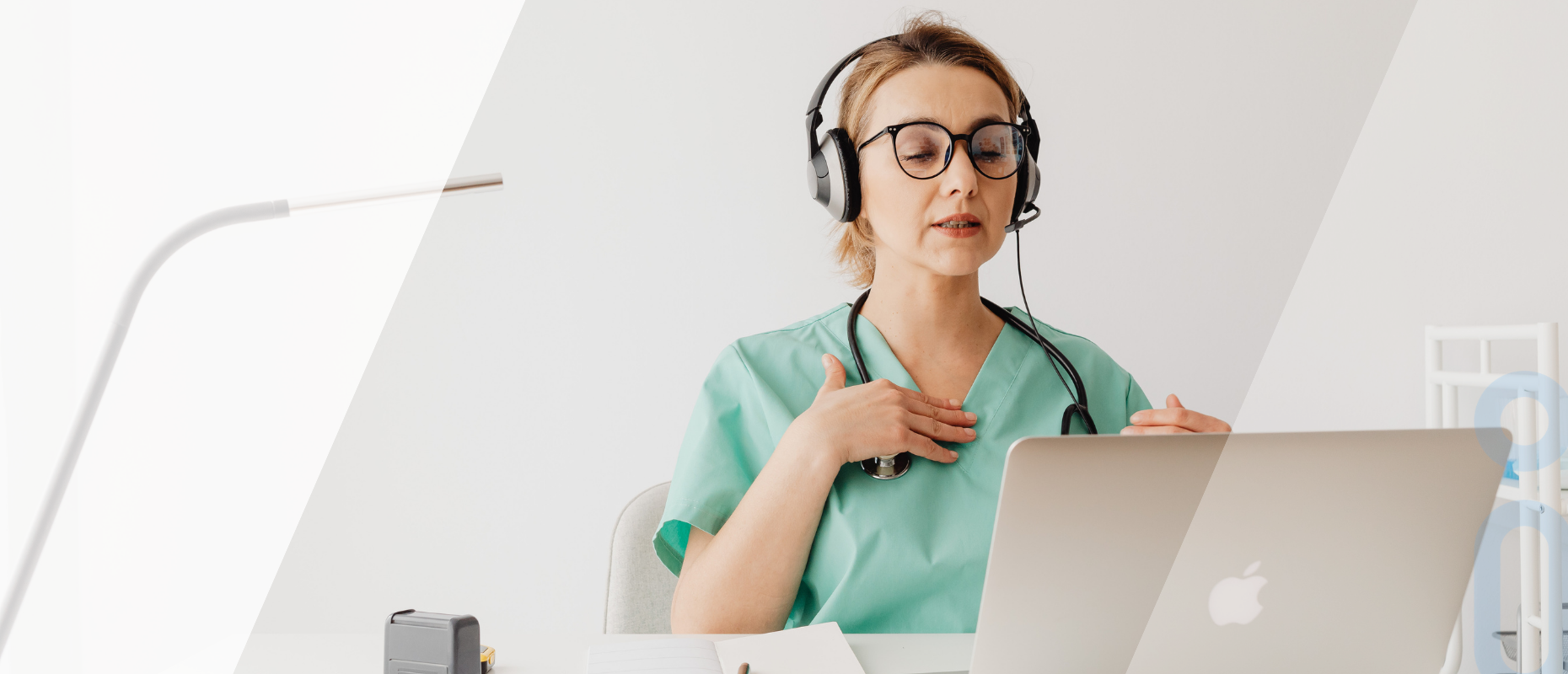
Telehealth (also referred to as e-health or mobile health (m-health)) is the use of communication technology and digital information to access healthcare services remotely. It typically happens through a smartphone, tablet, or computer, via video call, phone call, chat, or secure messaging, so you can get medical advice without being physically in the same room as your provider.
How telehealth is delivered can vary by location and provider. You might connect from home, from your workplace, or while traveling. In some rural areas, a nurse or community health worker may help patients use telehealth from local clinics or mobile vans, connecting them to doctors or specialists who are based elsewhere.
In practical terms, telehealth is often best for straightforward concerns, follow-ups, and guidance, especially when you can describe symptoms clearly or share photos.
Common examples include:
Mild illness check-ins (e.g., cold/flu symptoms, upset stomach, headaches) and advice on home care.
Medication refills and medication management (e.g., side effects, dosage questions).
Nutritional counselling and lifestyle support for long-term health goals.
Reviewing lab test or X-ray results and explaining next steps.
Mental healthcare (e.g., therapy sessions, follow-ups, and ongoing support).
Benefits of Telehealth
Telehealth accelerated during the COVID-19 pandemic, but it has remained popular because it solves everyday problems - getting advice quickly, avoiding unnecessary travel, and fitting care into busy schedules. Here are some of the biggest benefits, and what they look like in real life.
Increased Healthcare Accessibility and Travel Elimination
Telehealth can remove geography from the equation. If you live far from quality facilities, or you’d normally need to travel into a major city (or even overseas) for specialist input, remote consultations can be a practical first step.
It can also help people who are temporarily unable to travel (injury, illness, infection risk), have mobility constraints, experience anxiety about leaving home, or simply can’t afford to take hours off work.
For example, a clinician can assess symptoms, review your medication list, or advise whether you should monitor at home or book an in-person exam.
Reduced Hospitalizations and Freeing up Waiting Rooms
Telehealth can reduce unnecessary clinic visits by handling appropriate cases remotely. This can help with follow-ups, medication questions, and minor illnesses. When fewer people need to wait in person, waiting rooms can be less crowded, which may also reduce exposure to infectious illnesses (particularly in peak seasons).
Telehealth works well as a filter, helping many patients get guidance and next steps without adding pressure to in-person services.
Drawbacks of Telehealth
Telehealth can be convenient and cost-effective, but it also has real limitations. Some are medical (you can’t do hands-on exams through a screen), and others are practical (devices, internet access, and comfort with technology). Knowing these limits helps you use telehealth safely and avoid delays in care.
Treatment Limitations
The biggest limitation is that many diagnostics and procedures require equipment, or a clinician physically examining you. Telehealth can guide you, but it can’t replace services that must be performed in a clinic or hospital, such as:
Blood or urine tests
Imaging (e.g., X-rays)
Physical examinations and in-person diagnostic tests
Vaccinations
Device/procedure placements (e.g., some contraception placements)
Surgery
Hands-on physical therapy and rehabilitation
Telehealth is often enough for nutrition consultations, mental healthcare, medication questions, minor symptoms, and follow-ups. But if your symptoms are severe, worsening, or require hands-on assessment, an in-person visit is the safer choice.
You should skip telehealth and seek urgent in-person care if you have chest pain, trouble breathing, signs of stroke (face drooping, arm weakness, speech difficulty), severe allergic reaction, uncontrolled bleeding, sudden severe pain, or any rapidly worsening symptoms.
Cost and Technical Barriers
Telehealth depends on having the basics. A suitable device, a stable internet connection, and a private space to talk. Socioeconomic disparities can make access uneven, and even when the technology is available, not everyone feels confident using it.
Technology barriers can be especially challenging for older adults or people with cognitive difficulties, who may need a caregiver to help with setting up video calls, uploading photos, or navigating patient portals.
Ahead of a telehealth appointment, write down your symptoms (when they started and what makes them better/worse), take your temperature if relevant, list your medications and allergies, have recent test results ready, and, if it’s a visible issue, take clear photos in good lighting to share during the visit.
Is Telehealth Worth It?

Telehealth is worth it when it helps you get the right care faster, but not when it delays necessary treatment. A simple way to decide is to sort your situation into one of the categories below.
Use telehealth if: your symptoms are mild to moderate, you mainly need advice or a follow-up, you can describe what you’re experiencing clearly (or share photos), and you’re not expecting to need tests or a physical exam during the same visit.
Go in person if: you may need blood/urine tests, imaging, a procedure, a hands-on physical exam, or your symptoms are severe, unusual for you, or getting worse. When in doubt, especially with red-flag symptoms, choose in-person care.
Finally, it helps to think ahead about cost and access. Depending on where you live (or travel), telehealth, clinics, and hospitals can come with very different price tags and coverage can vary by plan and provider network.
Given how unpredictable medical needs can be, it’s strongly recommended to have a medical insurance solution in place so you and your family can access appropriate care with more financial certainty.
We hope this article clarified what telehealth is, where it can genuinely help, and when an in-person visit is the better call. Used well, telehealth is a convenient tool, but it works best when you know its limits.
If you have any further queries regarding this article’s topic or just general medical insurance plan selection and comparison inquiries, please don’t hesitate to reach out to us at any time. My team and I will be glad to help you out with plan comparisons and selections.
Tristan Slock
Senior Relationship Manager
Tristan is a Senior Relationship Manager at i-Brokers, bringing with him experience from a multi-national bank during his time in Belgium. After relocating to Thailand, he entered the field of insurance advisory and sales to which he eventually specialized in private medical insurance for expats. A strong believer in having good work-life balance, Tristan’s hobbies include maintaining fitness and practicing sports he enjoys while simply enjoying the nicer things life has to offer.
Contact Tristan:
Email: tristan.slock@i-brokers.com
Linkedin:
https://www.linkedin.com/in/tristanslock/
Tristan co-wrote this article with expert copywriting support and editing from Wish Sutthatothon, Marketing Executive at i-Brokers, who has extensive experience in the insurance industry, covering medical, life, and general insurance for both individuals and corporates.