
Dental Insurance: An Often Overlooked but Important Insurance Add-On
Dental care is easy to overlook when you are moving or living abroad, until an unexpected issue brings treatment costs, clinic access, or insurance limits into focus. If you are in Southeast Asia, or anywhere else in the world, the right dental cover can make routine care easier to plan and help reduce the financial impact of more urgent treatment.
Whether it is a chipped tooth before a business trip, a child needing treatment during term time, or a local clinic that does not accept an overseas insurance card, dental insurance can help remove uncertainty and make care more predictable.
Many international health insurance plans allow dental benefits to be added as optional cover, helping you to tailor protection around your healthcare needs, budget, and location.
In this article, we explain how dental insurance works, what is typically covered or excluded, the types of plans available, and what to consider before choosing a policy.
Understanding Dental Insurance in Southeast Asia
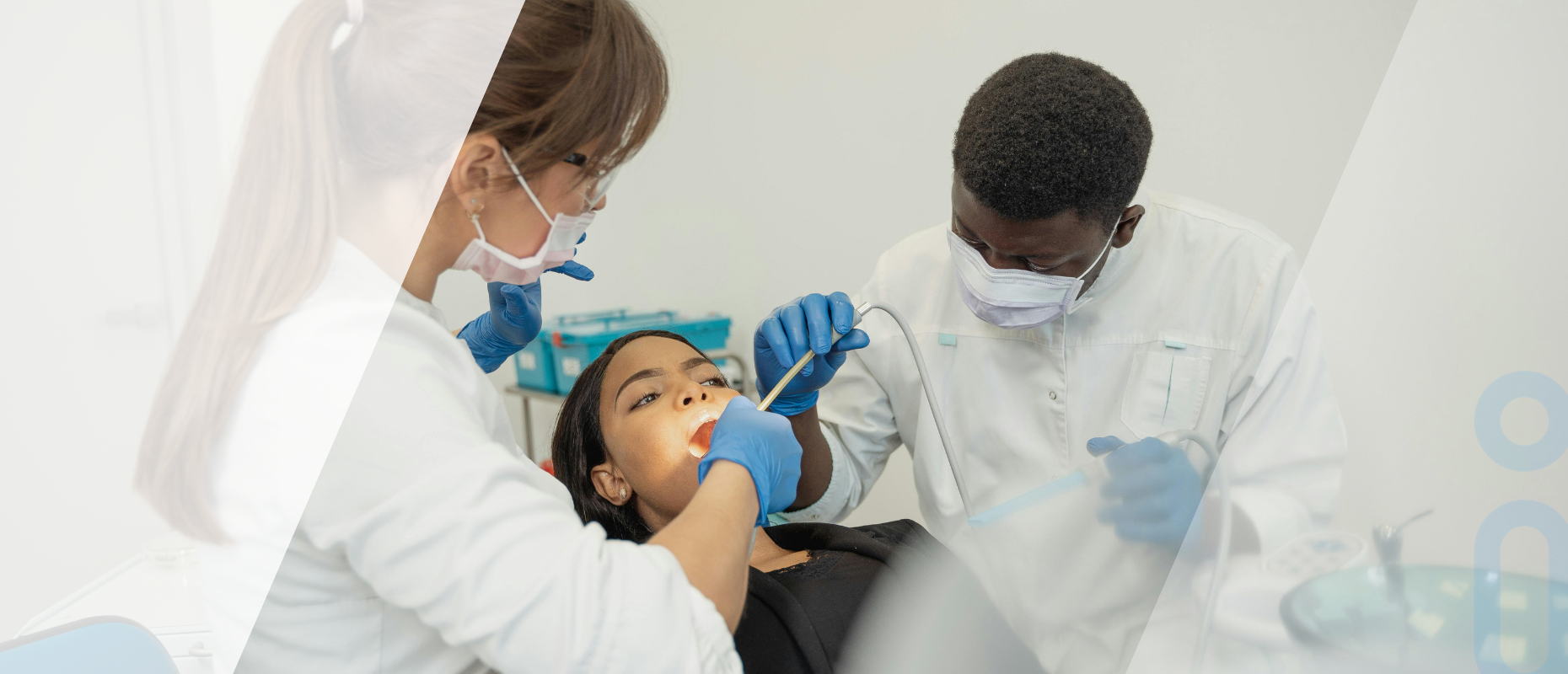
Southeast Asia is not a single healthcare market. Dental costs, clinic standards, direct-billing options, language support, and insurer networks can vary widely between countries such as Thailand, Vietnam, Singapore, Malaysia, Indonesia, and Hong Kong. If you move between countries or travel frequently, the right dental cover is about portability and predictability as much as price.
Dental insurance can help cover routine checkups, cleanings, emergency treatment, and more complex procedures such as oral surgery or wisdom tooth removal.
Many international health insurance plans allow dental benefits to be added alongside options such as maternity, vision, or wellness cover, helping you tailor protection around your needs, budget, and location.
Dental cover may also be available through an employee benefits scheme, although a personal plan can help maintain continuity if you move country or change jobs.
Some plans include waiting periods, meaning certain treatments are only covered after a set period. The length varies by plan, insurer, and procedure.
For example, preventative care such as cleanings may be covered immediately, while major procedures such as crowns, dentures, or bridges may have waiting periods of 6, 12, or 24 months.
Before choosing a plan, you should check what is covered, whether annual limits or reimbursement rules apply, if direct billing is available, and whether family members can be added.
Types of Dental Insurance Plans
Two types of dental insurance plans are available, including the dental preferred provider organization (DPPO) plan and dental health maintenance plan (DHMO) plan. The DPPO plan, hence its name, allows you to visit any preferred licensed dentist as you wish regardless of whether they are a part of the insurer’s provider network.
On the other hand, the DHMO plan requires you to choose a primary dentist from a provider network as dental services from out-of-network providers are not covered.
Beyond the DHMO and DPPO plans, below are some other types of dental insurance plans:
Dental Point of Service (DPOS) Plan: This type of dental insurance combines aspects of both the DHMO and DPPO plans, covering out-of-network dental care like DPPO plans while also requiring a primary dentist selection like DHMO plans.
Dental Exclusive Provider Organization (DEPO) plans: With this plan, you can visit any available dentist in the plan’s network without needing specialist referrals or a main dentist selection.
Dental discounts or savings plans: These plans offer reduced fees for in-network dental care.
Direct reimbursement plans: This is where your employer reimburses you directly for any eligible dental fees. First, you pay upfront for dental services and submit an insurance claim for reimbursement.
Dental indemnity plans: While offering the most flexibility in the way of dentist selections, this comes at the cost of higher out-of-pocket expenses compared to other plans. With this type of dental insurance plan, the insurance plan pays a percentage of the services while you pay the rest.
Dental Insurance Coverage
For example, you may only expect to use dental cover for checkups and cleanings, but a sudden root canal, crown, or wisdom tooth extraction can quickly change the financial picture. Even where dental treatment is more affordable than in your home country, paying upfront and reclaiming later can still create pressure if the plan has low limits, exclusions, or no direct-billing option.
Dental insurance plans cover general and preventative dental care all the way to complex procedures. This includes cleanings and routine checkups as well as dentures or surgeries.
This allows you to not only access quality dental care when you need it but also safeguard your finances.
Dental Insurance Exclusions
However, despite covering various types of dental procedures, dental insurance does have some exclusions. These include procedures deemed not medically necessary.
For instance, cosmetic dental procedures like veneering, teeth bonding, or teeth whitening are not covered as they are only for aesthetic purposes, thus considered elective procedures by insurers, rather than treating or preventing oral health issues.
When you look for a dental insurance plan, remember to check with your selected insurer regarding the extent of your dental insurance coverage and exclusions as every insurer will have their own criteria when it comes to what’s covered or excluded.
Useful questions to ask before buying dental cover include: Which dental treatments are covered from day one? Which treatments have waiting periods? Are pre-existing dental conditions excluded? Can I visit any dentist, or must I use a network provider? Is direct billing available in my country? What documents are needed for reimbursement? Are annual limits per person or per policy?
Who Would Benefit Most from Dental Insurance?

Dental insurance can be useful if you want financial protection from potentially high dental treatment costs. It may be especially relevant if you fall into one of the following groups:
Families with children: If you have children, dental insurance can help make routine checkups, cleanings, and other treatment easier to manage. It can also support good oral health habits from a young age.
Older adults: If you are planning for retirement or managing long-term healthcare costs, dental insurance may help with procedures such as dentures and other eligible treatment.
Businesses: If you run a business, dental insurance can be a valuable employee benefit that supports wellbeing, helps attract and retain talent, and may reduce absenteeism linked to untreated dental issues.
If you already have dental insurance, just check for when is your next renewal period to maintain consistent coverage. If you don’t have dental insurance, however, secure coverage as soon as possible since premiums increase over time.
Dental Care Providers in Southeast Asia
Dental care options across Southeast Asia range from international hospitals and specialist dental centres to smaller local clinics. When choosing a provider, you should consider location, language support, qualifications, treatment costs, direct-billing availability, emergency access, and whether the clinic is recognised by your insurer.
When you get dental care from another country, it’s worth noting that a new dental care provider might not actually know your current dental history while your current dentist from your home country might not know your recently-received treatment.
Thus, make sure you forward your current dental records to your new dentist while simultaneously forwarding your updated dental records in your new country to your previous dentist back in your home country to make sure both sides are on the same page.
Conclusion
Whether you are seeking dental care in Southeast Asia on your own or with your family, maintaining good oral health without straining your finances becomes much easier once you have the right dental insurance solution. With suitable cover, you can access care more confidently and better understand which providers may be available through your insurer’s network.
At i-Brokers, we help individuals, families, and businesses compare international health insurance options, including dental benefits, so they can understand what is covered, where treatment is available, and how each plan fits their budget and healthcare priorities.
If you have any further questions about dental cover in Southeast Asia, or if you’d like help comparing and selecting medical insurance plans, please feel free to reach out to us at any time that works for you.
Michael Smith
Director
Michael is a director at i-Brokers and focuses on corporate insurance for a range of different businesses and sectors. With over two decades of industry experience, he brings a wealth of knowledge on both local and global insurance schemes.
Contact Michael:
Email: michael.smith@i-brokers.com
Linkedin: https://www.linkedin.com/in/michael-smith-7a806777/